The Domain Expert's Moment: Why AI Rewards Solo Founders
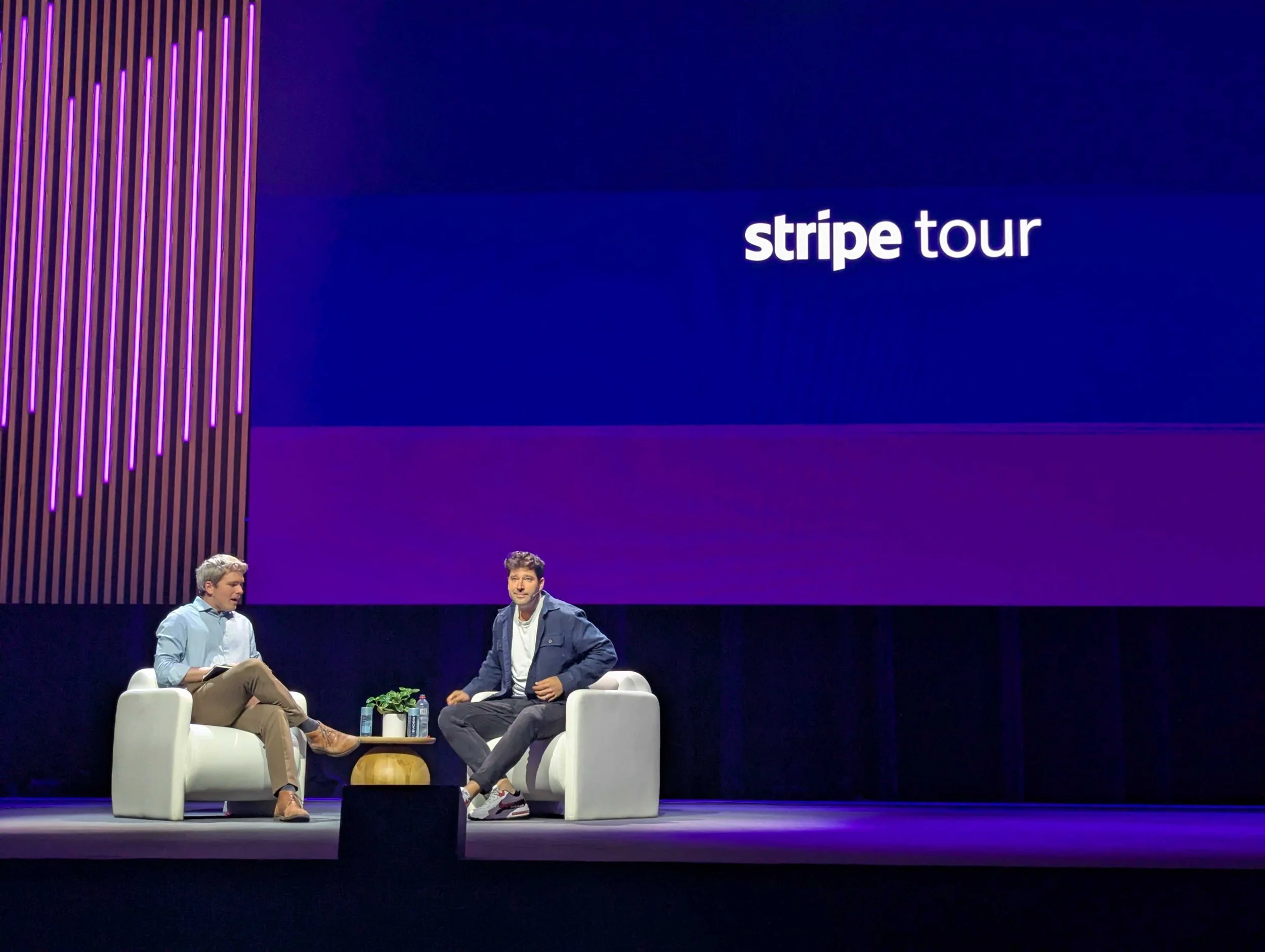
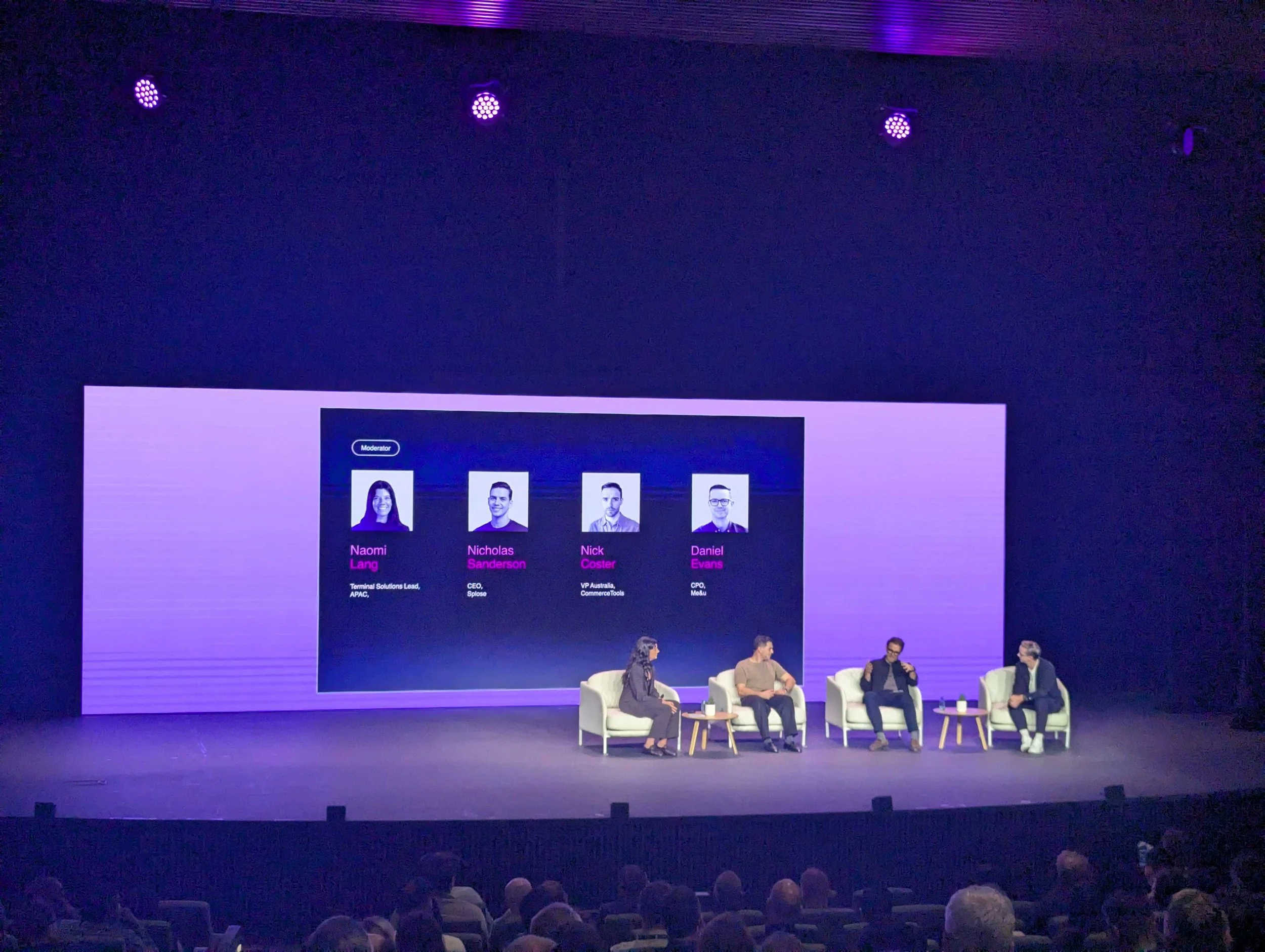
Last week I was in Sydney at The Stripe Tour. Not as a tech founder, not as a developer. Just as someone who has spent the last decade running a coworking space, listening to the conversations change.
When we opened in 2016, nobody at our desks called themselves an entrepreneur. You were a sole trader. You ran a business. Tech sat on the periphery: Google, Microsoft, a CRM if you were organised, while a small group of us wired apps like Slack, Xero and Stripe together with Zapier. This year I keep hearing "my agent built this" and when I look over, there's a custom tool already earning its keep in a member's business.
Then in Sydney I heard something I haven't been able to shake since. It's the reason this blog exists. 63% of the C corps formed through Stripe Atlas in the second quarter of 2026 were solo-founded. Not a team. Not a co-founder. Yep…one person. An all-time high.
I sat in that room and thought: this is real, and most people probably don't know it yet.
But underneath the big numbers, a more interesting story was brewing… one that anyone who's started a business and watched it struggle knows all too well. Not everyone wins. Stripe's own numbers show the median solo-founded startup actually pulled in less revenue this year than last. But the top 10% of solo founders pulled further ahead, now earning 61 times what the median founder makes in their first six months, up from 34 times just four years ago. Forget the headlines about ten-month-old AI startups raising hundreds of millions. The more telling gap is down here, among ordinary solo founders: the ones who know exactly what they're building and why, are running away from the pack.
That's the real headline, not "AI is creating founders." It's "AI is rewarding the ones who already knew what they were doing."
And it isn't just an American story. It's happening here too, and arguably faster. Business registry data shows sole traders made up 74.3% of all new ABNs registered in March, up almost 12% year on year… an even bigger share than Stripe's own number. The Bureau of Statistics tracks what it calls "non-employing businesses", people trading alone with no staff. They grew 4.8% this year, while businesses with employees grew just 0.2%… the first increase for that group since 2021-22. And Australia just cracked back into the world's top 10 startup ecosystems, after three years of sliding backwards.
Here's what I think is actually happening
Before we get more into it, an admission. This is a bit of a shift in view for me. Late last year I sat down with the Humans Aren't Robots podcast, and if you listen back you'll hear someone more cautious than the person writing this. I worried about what AI might do to creativity. About a world where everything gets generated and less gets genuinely made. About tools that flatten the texture out of work that's supposed to feel human.
I haven't let go of that concern. I've just watched and used the tools enough now to see where it actually applies.
The flattening is real, and it's what happens when people without depth in a craft use these tools to churn out more of what already exists… AI slop enters the room, skateboarding cats and all. And THAT’s the median in Stripe's numbers.
What took a bit more time to reveal itself was the other side: what the same tools do in the hands of someone with years of hard-won judgement about how their industry actually works. That's that top 10% I mentioned earlier. Same tech… completely different outcome. The difference is the human that wields the tool…kinda how it’s always been.
For a long time, building a software product, or even just using software to properly automate your work, required a technical co-founder, a developer, or a budget large enough to hire one. Domain expertise alone wasn't enough. You could know your industry inside out, have a clear vision for what needed to be built, and still hit a wall the moment it required code.
I know, because I hit it. In 2014 I founded EcoCaddy, a logistics business that used electric-assisted tricycles to move people and parcels around Adelaide. This was before Uber was a household name here. I raised six figures to get it going, and a large part of that went to an agency to build our ride-hailing software. The domain knowledge was mostly there. The vision was clear. But the software drained so much time and money that we had to pivot again and again just to stay alive. The thing I could see perfectly in my head cost me most of what I raised.
That wall is coming down fast. I can even put a date on when the penny dropped for me and likely many others reading this, November 2025, when Claude Opus 4.5 dropped… two weeks after I recorded that podcast, erring on the side of caution. The irony isn't lost on me.
One of the complaints about AI is that it lets people build things they don't understand. Fair enough. But the same tool in the hands of someone who knows the domain isn't a shortcut... it's a multiplier. Ronald Coase worked out in 1937 why firms exist at all: you hire people when doing something inside the company is cheaper than paying someone outside it. The whole calculation assumes coordination is expensive. AI is making it close to free. A single person with real domain knowledge can now build at a scale that used to require a team, because the team was mostly there to solve the coordination problem in the first place. The organisations that get this right won't be the ones hiring more engineers. They'll be the ones handing tools to the people who already understand the work. More on that shortly.
The line that stuck with me most from the Stripe Tour was: AI doesn't replace the domain expert. It collapses the gap between the domain expert and execution.
If you're a physio who's always known what a good patient follow-up system looks like, you can now build one. If you're an interior designer who's mapped out the same quoting process a hundred times in your head, you can now automate it. If you're an accountant who has always had a better way to run client onboarding, you can now make it real. I've watched versions of this start happening at desks a few metres from mine.
This isn't just for founders going it alone
I get to see this from a slightly unusual angle. Mâché is my second solo-founded business, and alongside it I run a solo consulting practice helping mid-sized companies use technology to fix their systems and grow their ecommerce. Which means I spend part of my week alongside founders, and the rest inside larger organisations, working next to the people I think of as the intrapreneurs. The ones who can see problems that haven’t been solved yet inside the company they work for.
These people have always existed. The employee who quietly builds a spreadsheet that becomes the backbone of how the whole team runs. The operations manager who figures out a process so good it spreads across departments. The sales lead who makes a tool that saves everyone two hours a week.
The intrapreneur's advantage has always been the same as the solo founder's. They know the domain. They've lived the problem. They understand the nuance that an outside agency or a generic SaaS product will never quite capture.
What's changed is their ability to act on that knowledge without waiting for a developer, a budget approval, or a company-wide mandate. You can prototype something real, something working, something that actually solves the problem, and bring it to the table fully formed. That changes the dynamic entirely.
Which puts the ball in the organisation's court
I understand the instinct to lock it down. Client data, compliance, the horror stories. Some organisations have responded by banning AI outright, or quietly switching it off, and I get why. It feels like the responsible move.
But here's what the surveys keep finding. Two-thirds of employees who use AI at work believe they're doing it against company policy. Over 40% admit to putting sensitive company information into AI tools their employer knows nothing about. The ban doesn't stop the behaviour. It makes it invisible. You end up with all of the risk and none of the upside, and your most capable people doing their best work in secret, on personal accounts you can't see.
The organisations that get this right won't be the ones that switched AI off. They'll be the ones that gave their intrapreneurs sanctioned tools, clear guardrails, and permission to build in the open. Done properly, that's not the reckless option. It's the safer one.
We're early. Which is exactly the point
There's a concept called the Solow Paradox. In a 1987 book review, the economist Robert Solow wrote, "You can see the computer age everywhere but in the productivity statistics." The gains from computing took another decade to show up in the numbers, because the economy first had to redesign itself around the new technology.
The same thing happened with electricity. Edison switched the lights on at Pearl Street in Manhattan in 1882. Factories didn't get faster right away. They kept their old layout, one giant steam driveshaft running everything, and just swapped the steam engine for a dynamo. It wasn't until the 1920s, roughly forty years later, that factories were redesigned around individual electric motors on each machine, and the productivity gains actually showed up.
We're at that early stage with AI right now. The technology is working. The macro numbers haven't caught up yet. And the people who benefit most will be the ones who start redesigning their work, their processes, their offers, now, before the rest of the economy catches up.
The lag is a feature, not a bug.
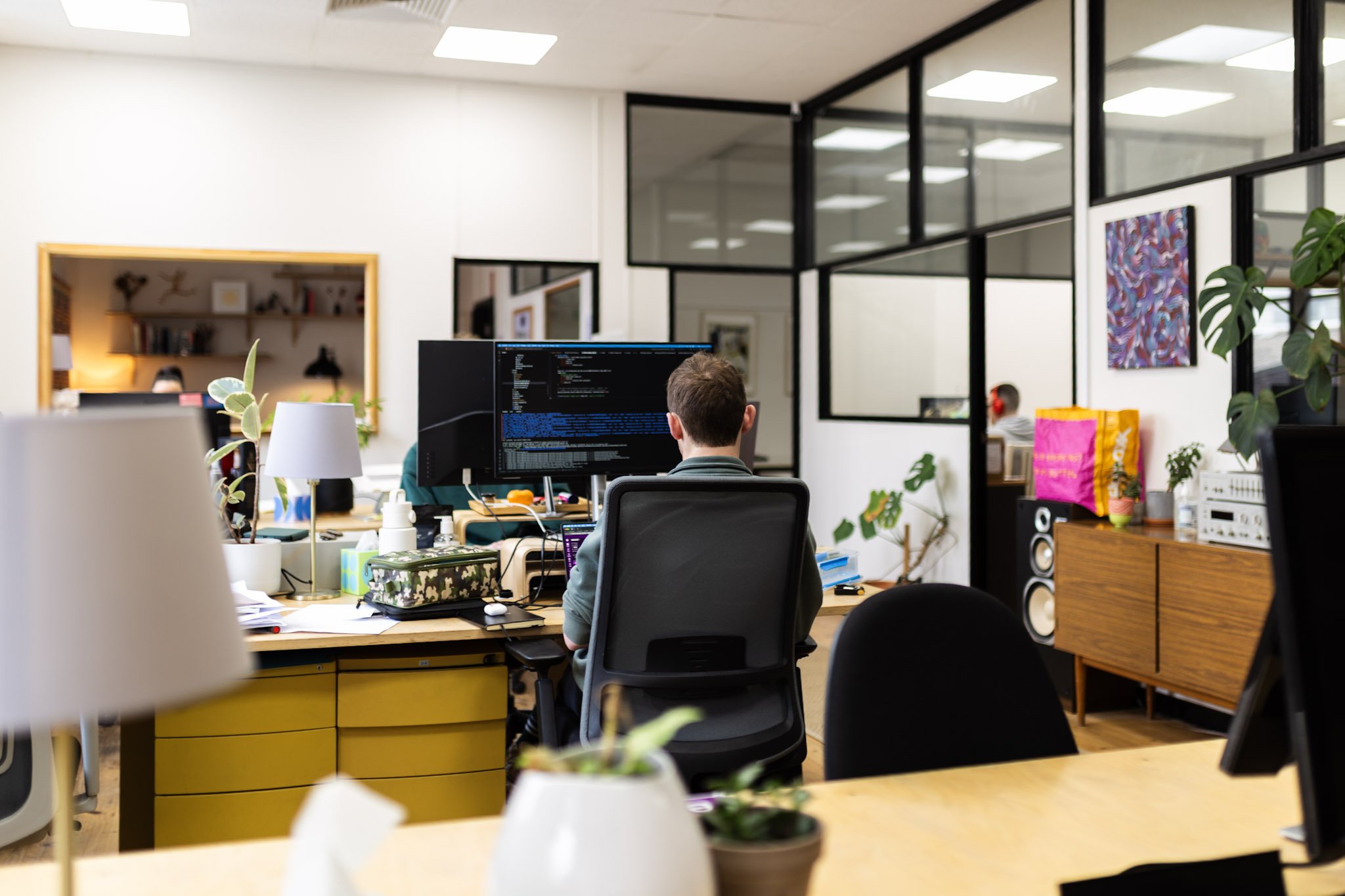
Our member Alex coding away from his Resident desk at Mâché.
What this means for you
I started Mâché (mash-aye) in 2016 because I believed, and still believe, that the best work happens when people with genuine passion for what they do are in proximity to each other. Founders and intrapreneurs working on real problems, with the freedom to think and a community to grow with.
What's changed is the scale of what's possible from that desk.
If you've been sitting on an idea because you thought you needed a technical co-founder, or a developer, or a bigger team, it's worth revisiting that assumption. The tools available right now are genuinely different to what existed even twelve months ago.
And if you're working inside a company and you've always seen a smarter way to do something, the gap between "I can see the solution" and "I can build the solution" has never been smaller.
None of this makes the work easy. Building something real still takes the domain knowledge that only comes from actually doing the thing, and the numbers above are proof that most people who try still don't pull ahead. But the leverage available to someone who has that knowledge, combined with the AI tools that now exist, is extraordinary. It rewards the people who were already good at the thing they do.
This is a genuinely exciting moment. Not in a hype cycle, tech-headline kind of way. In a real, structural, this-is-actually-changing kind of way.
For the solo founders, the freelancers, the intrapreneurs, the people building something from a single desk. I think this moment was made for you.
Want to talk through what you're working on? We're at 451 Pulteney Street. Come say hi.
Thanks for reading. I’m Dans the founder of Mâché (mash-aye), a coworking community I’ve built since 2016. Say hi on LinkedIn.